How to Inspect Element on Chrome
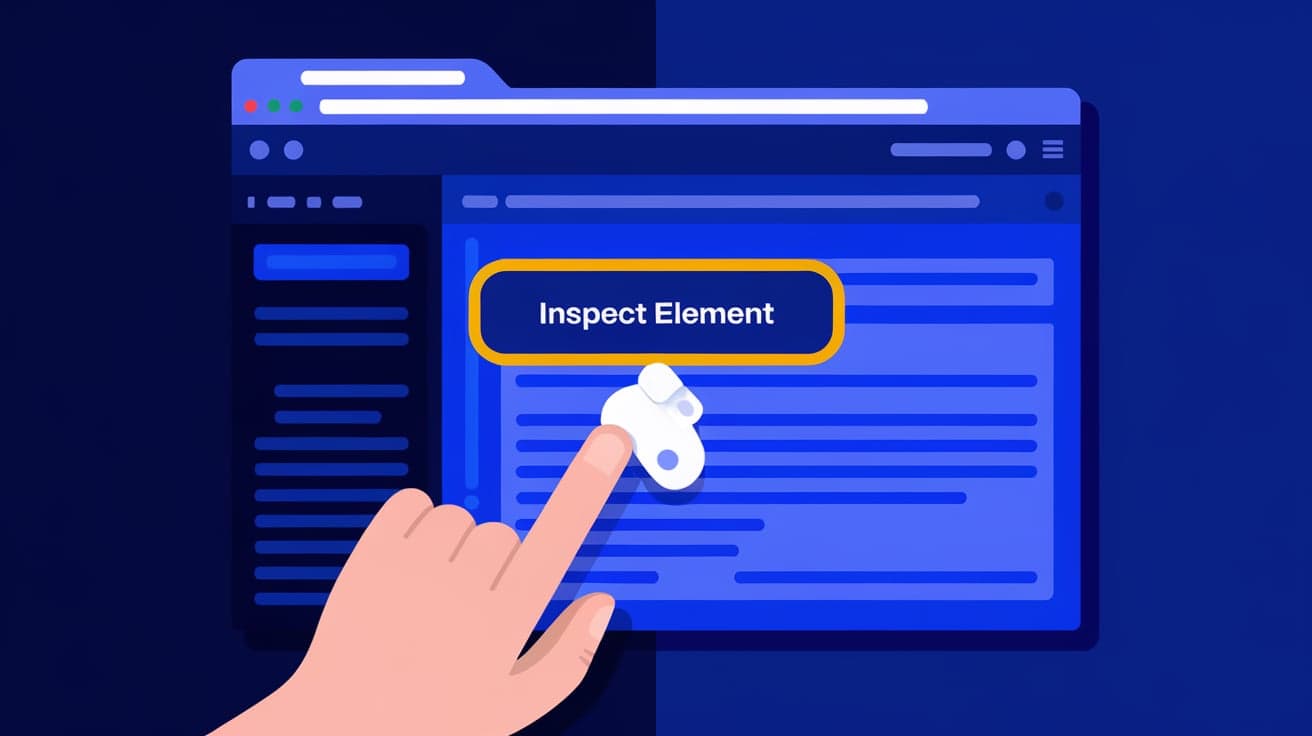
Ever wondered how websites are built or wanted to tweak a webpage’s appearance temporarily? The "Inspect Element" tool in Chrome is your gateway to understanding and interacting with the code behind web pages. Whether you’re a developer testing features, a student learning HTML and CSS, or just curious about how websites work, this tool offers endless possibilities.
In this guide, I’ll explain how to use the Inspect Element feature in Chrome, step by step. From opening the tool to exploring its many features, you’ll learn how to make the most of this powerful functionality.
What Is Inspect Element in Chrome?
The Inspect Element tool is part of Chrome’s Developer Tools (DevTools). It allows you to view and temporarily modify the HTML, CSS, and JavaScript of a webpage directly in your browser.
Key Uses:
Debugging Code: Identify and fix errors in your website’s code.
Testing Designs: Experiment with different styles or layouts before making permanent changes.
Learning: Understand how websites are structured and styled.
Changes made using Inspect Element are not permanent; they only apply to your browser session.
How to Open Inspect Element in Chrome
Opening Inspect Element in Chrome is straightforward, and there are several ways to do it.
Method 1: Right-Click Context Menu
Navigate to the webpage you want to inspect.
Right-click on any element (e.g., text, image, or button).
Select Inspect from the context menu.
This will open the DevTools panel, highlighting the selected element in the code.
Method 2: Keyboard Shortcut
If you prefer using shortcuts, this method is faster.
Windows/Linux: Press Ctrl + Shift + I.
Mac: Press Command + Option + I.
This shortcut opens the DevTools panel, and you can start exploring the webpage’s code.
Method 3: Chrome Menu
Click the three-dot menu in the top-right corner of Chrome.
Go to More tools > Developer tools.
This method is useful if you’re navigating through Chrome’s settings or menus.
Understanding the Inspect Element Interface
Once you’ve opened the Inspect Element tool, you’ll see a panel with several sections. Here’s a quick overview:
1. Elements Tab
This tab shows the HTML and CSS of the webpage. The selected element will be highlighted, and you can edit its code directly.
2. Console Tab
Use this tab to debug JavaScript or test small snippets of code.
3. Styles Pane
Located on the right side of the Elements tab, it displays the CSS applied to the selected element. You can modify styles here to see real-time changes.
4. Network Tab
Monitor network requests and performance, which is useful for debugging slow-loading pages.
How to Edit HTML and CSS Using Inspect Element
Inspect Element allows you to make temporary changes to a webpage’s HTML and CSS.
Editing HTML:
Open the Elements tab.
Right-click the highlighted HTML code and select Edit as HTML.
Make your changes and press Enter to apply them.
Editing CSS:
In the Styles pane, locate the property you want to modify.
Click on the value, change it, and press Enter.
You’ll see the changes reflected immediately on the webpage.
Testing Website Responsiveness
Inspect Element can also simulate different screen sizes to test how a website looks on various devices.
Steps:
Open DevTools and click the Toggle device toolbar icon (a smartphone and tablet icon).
Choose a device from the dropdown menu (e.g., iPhone, iPad).
Adjust the screen size and test the webpage’s responsiveness.
This feature is invaluable for web developers optimizing websites for mobile devices.
Debugging JavaScript
The Console tab in Inspect Element helps debug JavaScript errors.
Steps:
Open the Console tab.
Look for error messages or warnings.
Use the console to run JavaScript commands or test snippets.
This tool is particularly helpful for troubleshooting interactive website features.
Inspect Element for Non-Developers
You don’t have to be a developer to benefit from Inspect Element. Here are some practical uses:
Copy Text or Images: Extract content from websites that restrict right-click actions.
Customize Appearance: Change fonts or colors temporarily for a personalized browsing experience.
Verify SEO Tags: Check meta tags and headings to understand a website’s SEO strategy.
Tips and Tricks for Using Inspect Element
1. Use the Search Feature
Press Ctrl + F (Windows) or Command + F (Mac) to search for specific text or elements within the code.
2. Undo Changes Easily
If you make a mistake, refresh the page to revert all changes made through Inspect Element.
3. Experiment Safely
Since changes aren’t permanent, feel free to experiment with code and styles without worrying about breaking anything.
Summary
Inspect Element in Chrome is a versatile tool for developers, students, and curious users alike. By understanding how to open and use this feature, you can explore website structures, debug errors, test designs, and even customize your browsing experience.
Whether you’re tweaking CSS for a personal project or learning HTML basics, Inspect Element provides a safe and interactive way to work with code. Start experimenting today, and see how this powerful tool can enhance your understanding of web development.
FAQs
How do I open Inspect Element in Chrome?
Right-click any webpage element and select Inspect, or use the shortcut Ctrl + Shift + I (Windows) or Command + Option + I (Mac).
Can I make permanent changes using Inspect Element?
No, changes made through Inspect Element are temporary and only apply to your current session.
What is the Styles pane in Inspect Element?
The Styles pane shows the CSS applied to a selected element, allowing you to modify styles and see real-time changes.
How do I test a website’s mobile responsiveness?
Click the Toggle device toolbar icon in the DevTools panel and select a device from the dropdown menu to simulate different screen sizes.
Is Inspect Element safe to use?
Yes, Inspect Element is safe and only modifies how a webpage looks in your browser. It does not affect the actual website or other users.
Also read -
how to delete cookies on mac chrome