How to Fix "Your Connection is Not Secure" Error in Chrome
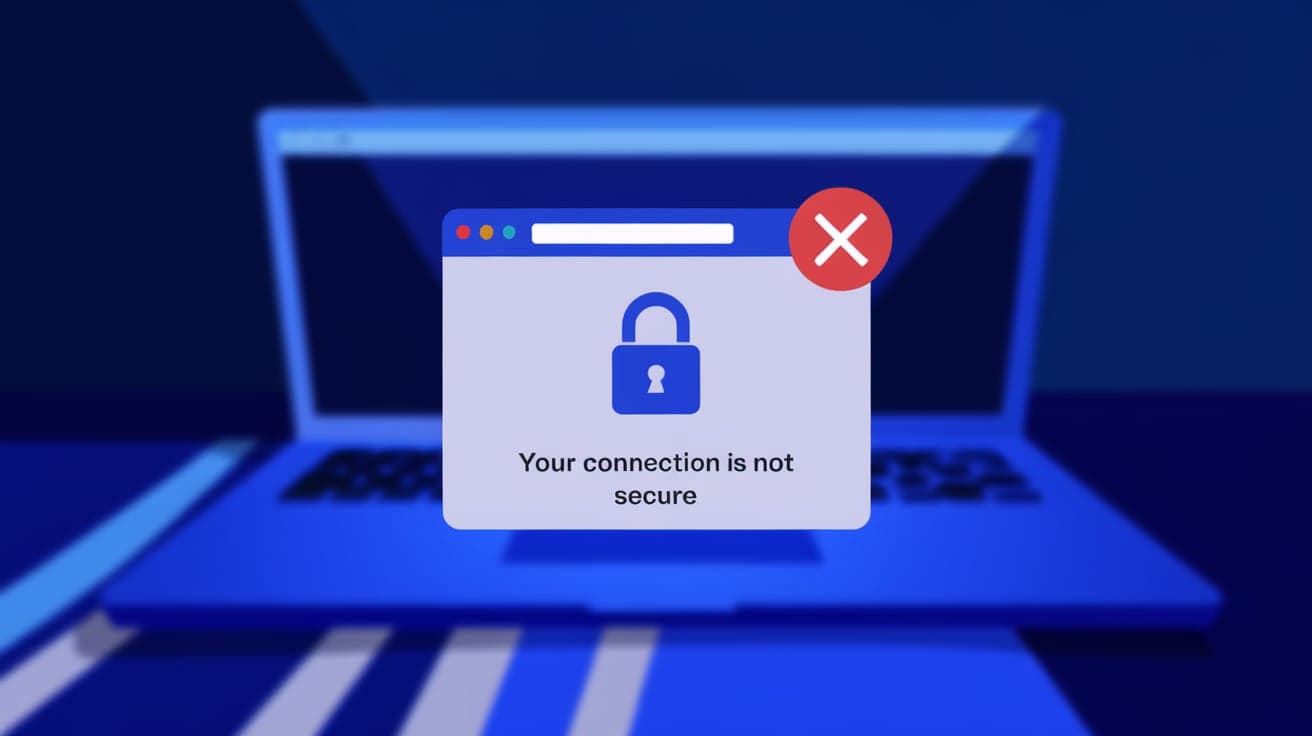
Encountering the warning “Your connection to this site is not secure” on Chrome can be frustrating, especially when you’re trying to access an important website. This message appears when Chrome detects potential security issues with the site’s SSL certificate or connection. While it’s a protective measure to safeguard your data, you might need to resolve it to proceed safely.
In this guide, we’ll explain what this error means, why it happens, and provide simple steps to fix it. Whether the issue is with your browser, internet settings, or the website itself, you’ll find a solution here. Let’s get started.
What Does “Your Connection to This Site Is Not Secure” Mean?
When Chrome displays this warning, it signals that the website you’re visiting doesn’t meet modern security standards. This typically happens due to:
SSL Certificate Issues: The site’s SSL certificate is expired, invalid, or missing.
Unencrypted Connection: The website uses HTTP instead of HTTPS, leaving data vulnerable.
Outdated Browser or Network Settings: Chrome might flag the connection due to outdated configurations on your device.
This warning is designed to protect your sensitive information, such as passwords and payment details.
Common Reasons for the Error
1. Expired or Invalid SSL Certificate
Websites use SSL certificates to encrypt data between your browser and the server. If the certificate is expired or invalid, Chrome will flag the site as insecure.
2. HTTP Instead of HTTPS
Websites that don’t use HTTPS connections lack encryption, making it easier for hackers to intercept data.
3. Browser Cache or Cookies
Sometimes, cached data or cookies cause Chrome to display the error even when the site is secure.
4. Incorrect System Date and Time
If your computer’s date and time are incorrect, Chrome might have trouble verifying SSL certificates.
5. Network or Antivirus Settings
Firewalls, antivirus programs, or VPNs can interfere with Chrome’s ability to establish secure connections.
How to Fix “Your Connection to This Site Is Not Secure” on Chrome
1. Check the Website’s URL
Always ensure the website uses HTTPS. Look for the padlock icon in the address bar.
If the URL starts with HTTP instead of HTTPS, avoid entering sensitive information.
Try adding “https://” manually before the website’s URL to see if it loads securely.
2. Clear Browser Cache and Cookies
Cached data and cookies can sometimes trigger security warnings.
Steps to Clear Cache and Cookies:
Click the three-dot menu in the top-right corner of Chrome.
Go to More tools > Clear browsing data.
Select Cookies and other site data and Cached images and files.
Click Clear data.
Reload the website to check if the issue persists.
3. Update Chrome
An outdated browser might not recognize the latest security protocols.
Steps to Update Chrome:
Click the three-dot menu and go to Help > About Google Chrome.
Chrome will automatically check for updates and install them.
Restart the browser.
Keeping Chrome up to date ensures better compatibility with secure websites.
4. Verify Your Device’s Date and Time
Incorrect system time can prevent Chrome from validating SSL certificates.
Steps to Fix Date and Time:
Open your computer’s settings.
Go to Date and Time and enable Set time automatically.
Restart Chrome and try reloading the website.
5. Disable Antivirus or Firewall Temporarily
Sometimes, security software blocks legitimate SSL connections.
Steps to Test This:
Temporarily disable your antivirus or firewall.
Reload the website in Chrome.
If the issue is resolved, add the website to your antivirus or firewall’s trusted list.
Always re-enable your security software after testing.
6. Proceed With Caution Using Advanced Options
If you trust the website but Chrome still shows the warning, you can bypass it temporarily.
Steps to Bypass the Warning:
Click Advanced on the warning page.
Select Proceed to [site name] (unsafe).
⚠️ Note: Only do this if you are confident the site is safe and does not involve sensitive data.
7. Contact the Website Administrator
If the problem persists, it might be on the website’s end. Contact the site’s administrator and let them know about the SSL issue.
Preventing the Issue in the Future
Use a Reliable Internet Connection: Avoid public Wi-Fi networks for secure browsing.
Install an Ad-Blocker or Security Extension: Extensions like HTTPS Everywhere ensure secure connections whenever possible.
Regularly Update Your Software: Keep Chrome, your operating system, and antivirus software up to date.
Benefits of Fixing the Issue
Improved Security: Protect sensitive data like passwords and payment details.
Seamless Browsing: Access secure websites without interruptions.
Better Compatibility: Ensure Chrome runs smoothly with the latest protocols.
Conclusion
The “Your connection to this site is not secure” warning in Chrome is there to protect you, but it can be inconvenient when it appears unnecessarily. By understanding the root causes—like SSL certificate issues, HTTP connections, or outdated settings—you can fix the problem quickly and safely.
Start with simple solutions like clearing cache, updating Chrome, or verifying your system time. If necessary, contact the website administrator or proceed cautiously using advanced options. Remember, online safety should always come first.
FAQs
What does “Your connection to this site is not secure” mean?
It means the website lacks proper encryption or has issues with its SSL certificate, making your data vulnerable.
Can I bypass the warning safely?
Yes, but only if you trust the website completely and are not entering sensitive information.
Why do secure sites sometimes show this error?
It could be due to cached data, incorrect system time, or interference from antivirus software.
How do I check if a website is secure?
Look for the padlock icon in the address bar and ensure the URL starts with HTTPS.
Should I avoid sites with this warning?
Yes, unless you are confident the site is safe and does not handle sensitive information like passwords or credit card details.
Also read -