How to Clear Cache on Android Chrome
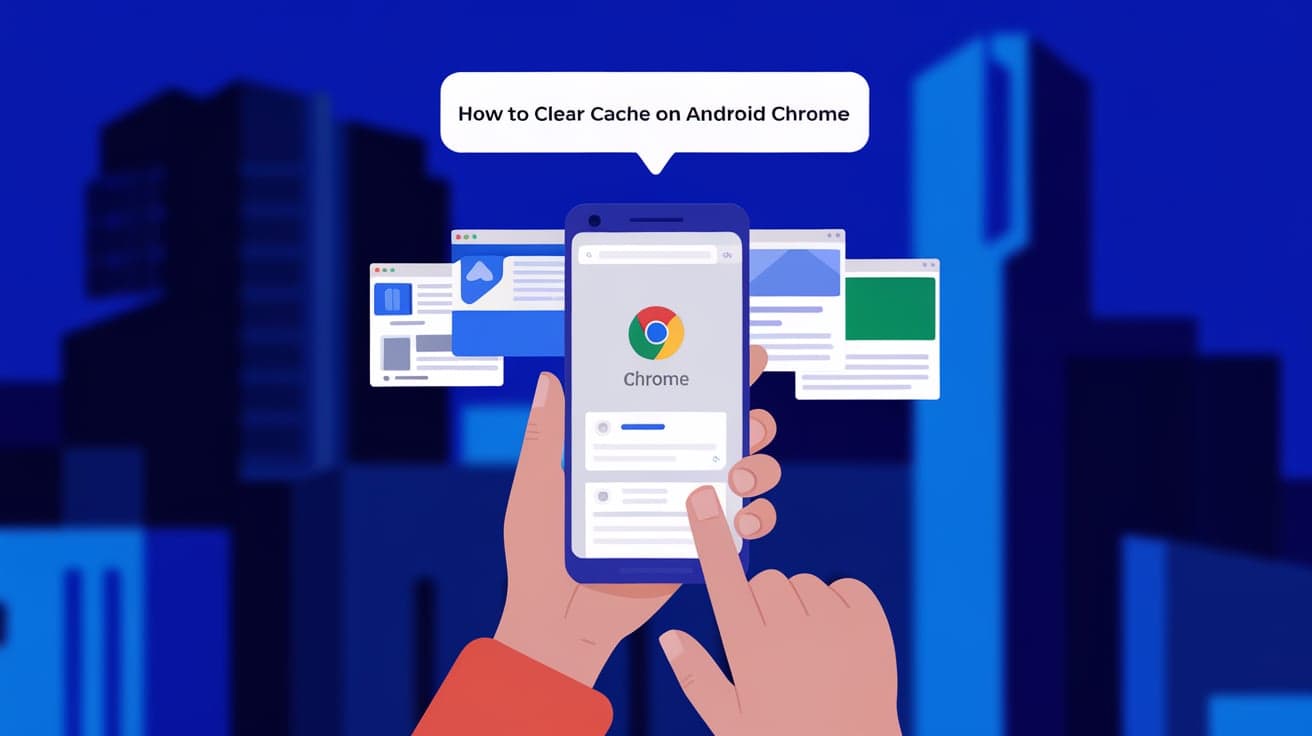
Your phone might feel sluggish or Chrome might not display websites correctly, and clearing the cache could be the simple fix you need. Over time, Chrome stores temporary files (cache) to make browsing faster, but too much cache can slow things down or cause errors. Knowing how to clear the cache on Android Chrome can help you keep your browser running smoothly and avoid frustrating glitches.
In this guide, I’ll show you exactly how to clear Chrome’s cache on your Android device. Whether you’re troubleshooting an issue or just want to free up some storage, these step-by-step instructions will make the process easy.
Why Clear Cache on Chrome?
Before jumping into the steps, let’s understand why clearing the cache is essential.
Improve Performance
When Chrome stores too much cache, it can slow down your browser and even affect your phone’s overall performance.
Fix Website Errors
Sometimes, websites don’t load properly because old cache files conflict with updated site data. Clearing the cache ensures you’re loading the latest version of a webpage.
Free Up Storage
Cache files can pile up over time, taking up valuable storage space on your device. Clearing them helps reclaim that space.
How to Clear Cache on Android Chrome
Here’s how to clear the cache on Chrome for Android, step by step.
Step 1: Open Chrome Settings
Open the Chrome app on your Android device.
Tap the three-dot menu in the top-right corner.
Select Settings from the dropdown menu.
This will take you to Chrome’s main settings page.
Step 2: Navigate to Privacy and Security
Scroll down and tap on Privacy and Security.
Look for the option labeled Clear browsing data and tap it.
This is where you’ll manage cached files, cookies, and other browsing data.
Step 3: Select Cache to Clear
In the Clear browsing data menu, you’ll see two tabs: Basic and Advanced.
Under the Basic tab, check the box next to Cached images and files.
- Leave other options unchecked if you don’t want to clear cookies or browsing history.
If you need more control, switch to the Advanced tab for options like selecting a specific time range.
Step 4: Clear the Cache
Once you’ve selected Cached images and files, tap the Clear data button at the bottom.
Chrome will clear the cache and free up storage.
You might notice that websites take slightly longer to load the first time after clearing the cache because Chrome needs to rebuild its temporary files.
Tips for Managing Cache on Android Chrome
Clearing the cache regularly can help keep your browser running smoothly, but here are a few tips to avoid doing it too often.
Set a Regular Schedule
Consider clearing the cache every month or two to prevent it from getting too large.
Use Lite Mode
Chrome’s Lite Mode compresses data and minimizes cache storage. To enable it:
Go to Settings > Lite mode.
Toggle it on.
Avoid Clearing Cookies Frequently
Cookies store your login information and site preferences. Unless you’re troubleshooting a specific issue, leave them untouched.
What Happens When You Clear Cache?
When you clear the cache, Chrome removes temporary files stored on your device.
What You’ll Lose
Cached files like images and scripts.
Temporary site data (this may cause sites to reload slower initially).
What You’ll Keep
Saved passwords.
Bookmarks and browsing history (unless you manually select these options).
Clearing the cache doesn’t delete important data, so it’s safe to do regularly.
Common Issues Solved by Clearing Cache
If you’re experiencing these problems, clearing the cache can often help:
Slow Browser Performance
Old or corrupted cache files can make Chrome laggy. Clearing them frees up resources.
Website Display Errors
If a site isn’t loading correctly or elements look broken, clearing the cache forces Chrome to load fresh data.
Outdated Content
Websites may show old versions if cached files aren’t updated. Clearing the cache resolves this issue.
Troubleshooting Cache Clearing Issues
Sometimes, clearing the cache may not fix your problem. Here’s what to do if you encounter issues.
Problem 1: Chrome Still Feels Slow
Try restarting your phone after clearing the cache.
Disable unnecessary extensions or tabs running in the background.
Problem 2: Websites Still Show Errors
Clear cookies and site data along with the cache.
Check if the website is down or has issues unrelated to your browser.
Problem 3: Cache Files Keep Building Up Quickly
Enable Lite Mode to minimize data usage and cache storage.
Regularly monitor your storage settings to keep an eye on app data.
Summary
Clearing the cache on Android Chrome is an easy and effective way to improve performance, fix website errors, and free up storage space. By following the steps outlined in this guide, you can quickly clear your cache and get your browser running smoothly again.
While it’s safe to clear the cache regularly, remember that some site data will need to be reloaded, which might slow things down temporarily. Setting a schedule for maintenance and using features like Lite Mode can help keep your browser optimized over time.
FAQs
How often should I clear Chrome’s cache on Android?
It depends on your usage. Clearing the cache every 1-2 months is a good practice to prevent excessive buildup.
Will clearing the cache delete my saved passwords?
No, clearing the cache doesn’t affect your saved passwords, bookmarks, or browsing history.
Why is Chrome still slow after clearing the cache?
Other factors like too many open tabs, outdated extensions, or low device storage could be causing the slowdown. Restart your phone or disable unnecessary extensions.
Can I clear the cache for one specific site?
Yes, go to Settings > Privacy and Security > Site Settings, select the site, and clear its data.
What’s the difference between clearing cache and clearing cookies?
Cache: Removes temporary files like images and scripts.
Cookies: Deletes login data and site preferences. Clearing cookies logs you out of websites, so only do this when necessary.
Also read -