How to Block Websites on Google Chrome
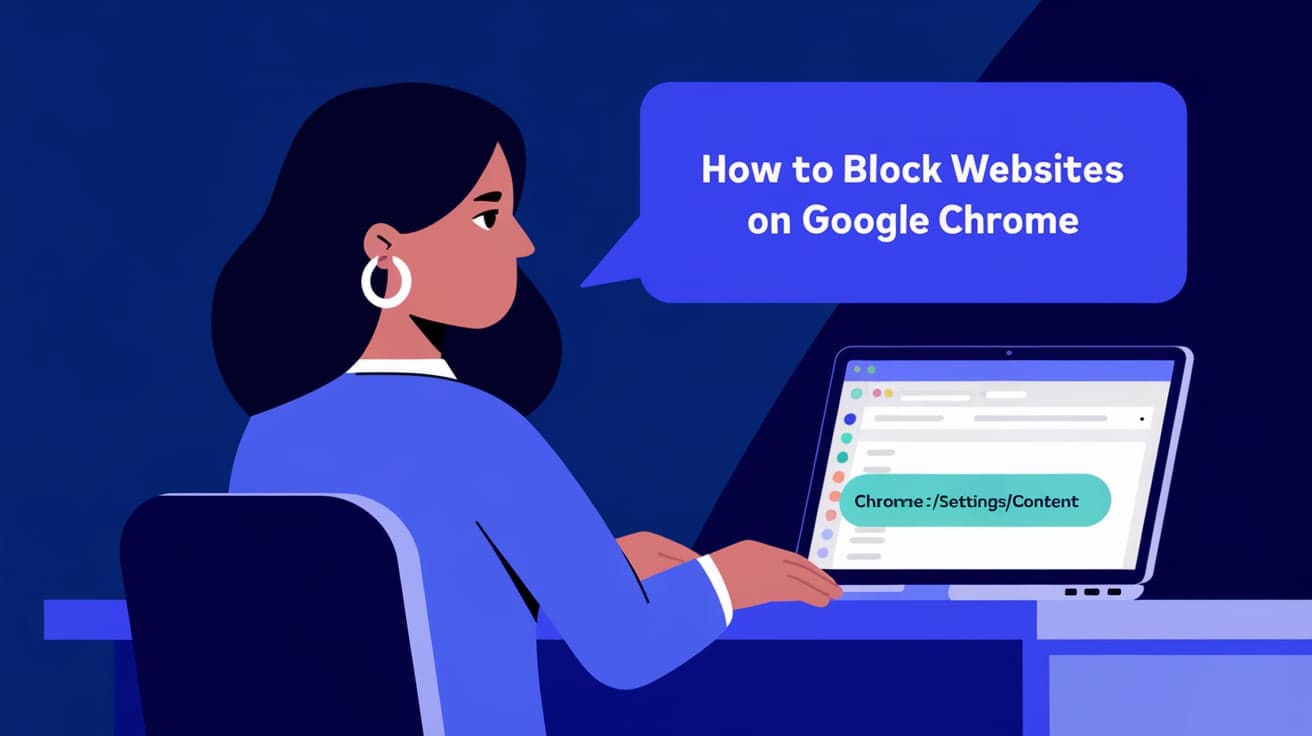
In today’s world, staying focused online can be a challenge, especially with so many distractions just a click away. Blocking websites on Google Chrome can help you focus better, protect your kids from harmful content, or even prevent accidental visits to specific sites. Whether you’re working, studying, or managing a child’s browsing habits, learning how to block websites on Chrome is a skill worth having.
In this article, I’ll guide you step-by-step through different ways to block websites on Chrome. From using extensions to built-in features, you’ll find methods suited for both personal and professional use.
Why Block Websites on Google Chrome?
Blocking websites isn’t just about keeping distractions at bay; it’s also a practical way to improve productivity, maintain a safe browsing environment, and ensure responsible internet usage.
Common Reasons to Block Websites:
Prevent Distractions: Block social media or entertainment sites while working or studying.
Protect Children: Keep kids safe from inappropriate content.
Increase Productivity: Eliminate time-wasting websites during work hours.
Secure Browsing: Avoid accidentally visiting malicious or unsafe websites.
With these goals in mind, let’s explore how to block websites on Google Chrome.
Method 1: Using Chrome Extensions to Block Websites
Chrome extensions are the easiest way to block websites. They’re free, easy to install, and offer customization options.
Steps to Block Websites with an Extension:
Install an Extension:
Go to the Chrome Web Store.
Search for extensions like BlockSite or StayFocusd.
Click Add to Chrome to install the extension.
Set Up the Extension:
Open the extension from Chrome’s toolbar.
Add the websites you want to block to the block list.
Customize Settings:
- Most extensions let you set timers, schedules, or passwords to manage blocked sites.
Pros:
Easy to use and quick to set up.
Offers advanced features like scheduling and password protection.
Cons:
Extensions can slow down Chrome slightly.
Not suitable for restricting access at the system-wide level.
Method 2: Blocking Websites Using Chrome’s Built-In Features
While Chrome doesn’t have a native “block website” feature, you can use Safe Browsing and Supervised Profiles to restrict access.
For Safe Browsing:
Enable Enhanced Safe Browsing:
Go to Settings > Privacy and Security > Security.
Turn on Enhanced Protection.
Manually Block Harmful Websites:
- Use Chrome’s site settings to block permissions for specific sites, like pop-ups or cookies.
For Supervised Profiles:
Create a Supervised Profile:
Go to Settings > People > Add Person.
Set up a supervised profile and enable content restrictions.
Add Blocked Sites:
- From the profile’s settings, add websites to the blocked list.
This method works well for families or shared computers.
Method 3: Blocking Websites Using Hosts File (Advanced)
Editing your computer’s hosts file is a more technical way to block websites. This method applies system-wide and works outside Chrome.
Steps:
Locate the Hosts File:
On Windows:
Navigate toC:\Windows\System32\drivers\etc\hosts.On Mac:
OpenTerminaland typesudo nano /etc/hosts.
Edit the File:
Add the line
127.0.0.1 [website you want to block].Example:
127.0.0.1www.facebook.com.
Save Changes:
- Save the file and restart your browser to apply the changes.
Pros:
Blocks websites across all browsers.
No need for third-party tools.
Cons:
Requires admin access.
Mistakes in the hosts file can disrupt your system.
Method 4: Parental Control Software
For parents looking to block websites on Chrome for their children, using parental control software like Qustodio or Net Nanny is a great option.
Steps:
Install Parental Control Software:
- Download and install the software on your child’s device.
Set Up Website Filters:
- Use the software’s dashboard to block specific websites or categories.
Monitor Activity:
- Track browsing history and set time limits for safer internet use.
Pros:
Comprehensive filtering and monitoring.
Works across devices and browsers.
Cons:
Requires subscription fees.
Overkill for basic website blocking needs.
Method 5: Using Router Settings to Block Websites
If you want to block websites for all devices connected to your Wi-Fi network, you can do so via your router’s settings.
Steps:
Log into Your Router:
Enter your router’s IP address (e.g.,
192.168.1.1) into Chrome.Log in with your admin credentials.
Find the Website Blocking Section:
- Look for options like Access Control or Parental Controls.
Add Websites to the Block List:
Enter the URLs of websites you want to block.
Save the settings and restart your router.
Pros:
Blocks websites for all devices on your network.
No need for individual browser setup.
Cons:
Limited customization options.
Requires admin access to your router.
Tips for Effective Website Blocking
Use Passwords: Protect your settings with passwords to prevent unauthorized changes.
Combine Methods: Use a mix of extensions, hosts file edits, and router settings for robust blocking.
Regularly Review Block Lists: Update your block lists as needed to keep them relevant.
Conclusion
Blocking websites on Google Chrome is an effective way to stay focused, improve productivity, and create a safe online environment. Whether you’re using extensions, parental control software, or router settings, you now have multiple tools to achieve your goal. Each method has its pros and cons, so choose the one that best fits your needs.
Remember, technology is here to help you, but maintaining discipline and mindful internet usage are just as important. Take control of your online experience, and make the most of your time!
FAQs
1. Can I block websites on Chrome without an extension?
Yes, you can block websites using methods like the hosts file, supervised profiles, or router settings.
2. Is there a free way to block websites on Chrome?
Yes, extensions like BlockSite offer free versions, and editing the hosts file is completely free.
3. Can I block specific websites for certain times only?
Yes, extensions like StayFocusd allow you to schedule blocked times for specific websites.
4. Does blocking websites slow down Chrome?
Using too many extensions can slow down Chrome slightly, but blocking websites itself doesn’t affect performance.
5. How can I unblock a website after blocking it?
To unblock a website, simply remove it from your block list in the extension, hosts file, or router settings. Restart Chrome to apply the changes.
Also read -
how to copy bookmarks from chrome